

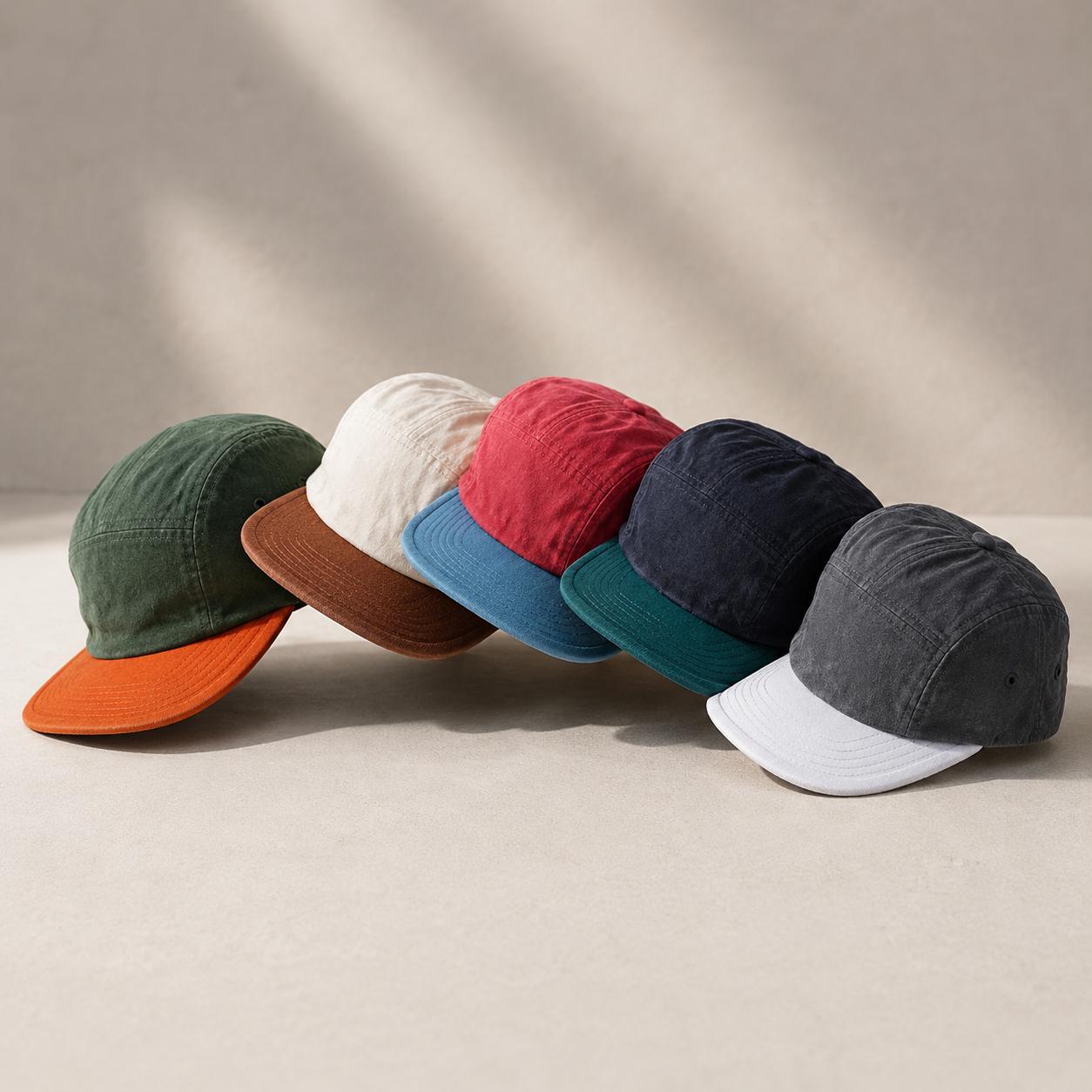
The History of the Five-Panel Cap
Category: History
Reading Time: 5 minutes
____________________________
The History of the Five-Panel Cap
Some designs are created to attract attention.
Others quietly earn it over time.
The five-panel cap belongs to the second group.
Long before it appeared in creative studios, skate parks, and contemporary wardrobes, it was appreciated for something far simpler.
Comfort.
Practicality.
Thoughtful construction.
Its journey from outdoor equipment to one of today's most recognizable cap silhouettes is a story of function leading style—not the other way around.
A Different Way to Build a Cap
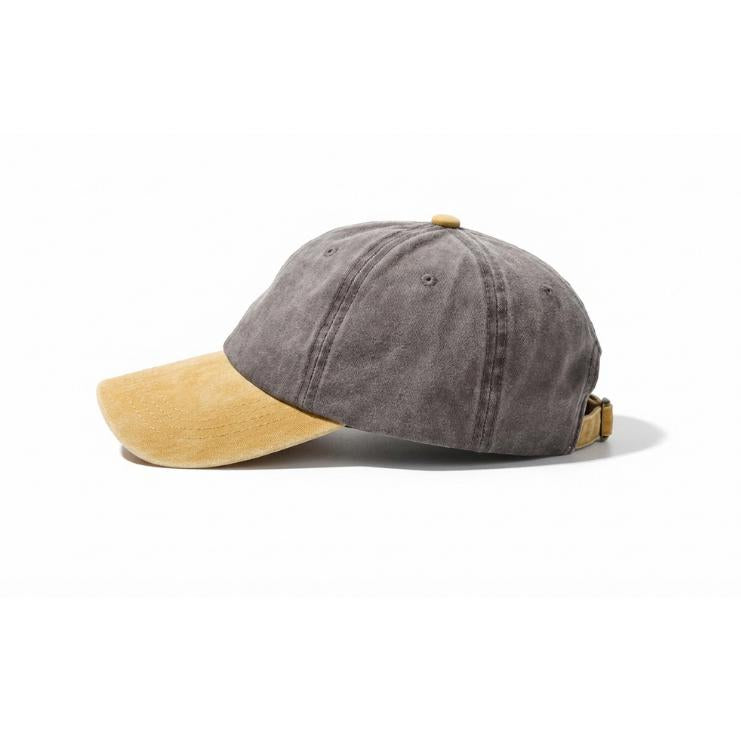
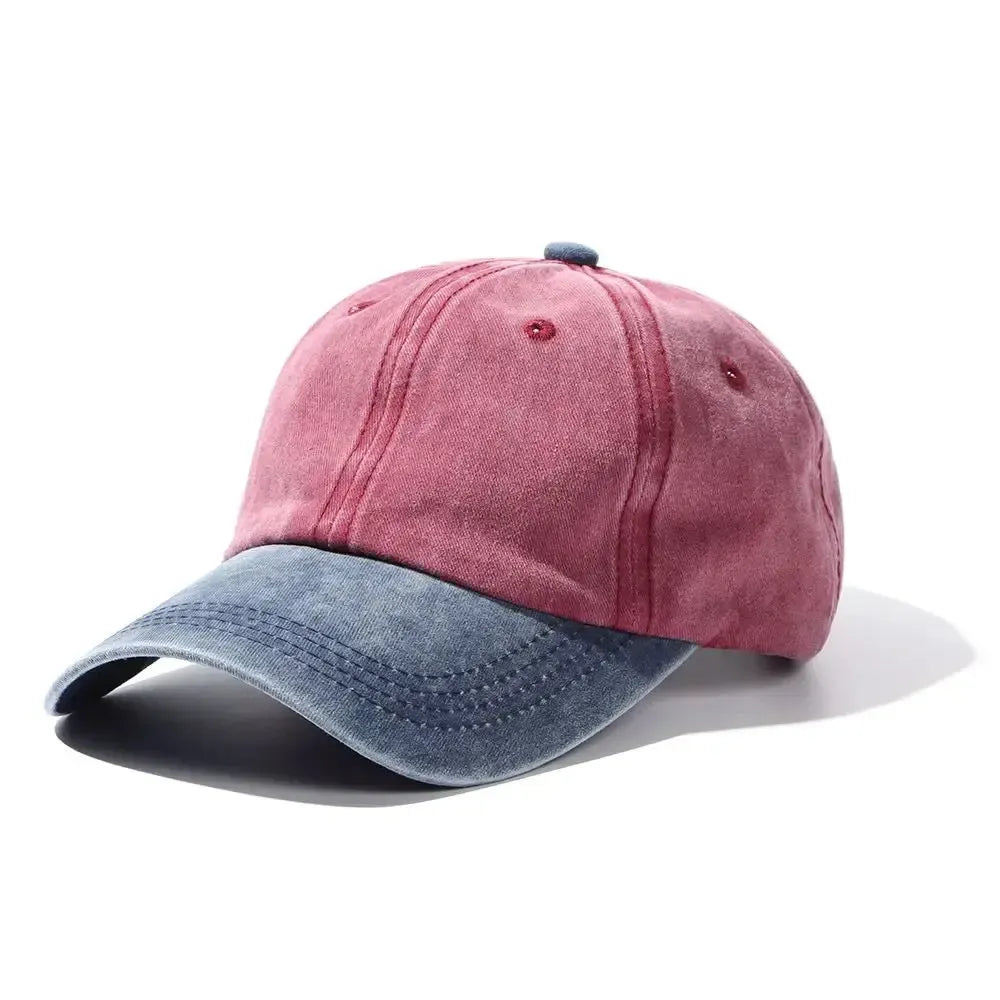
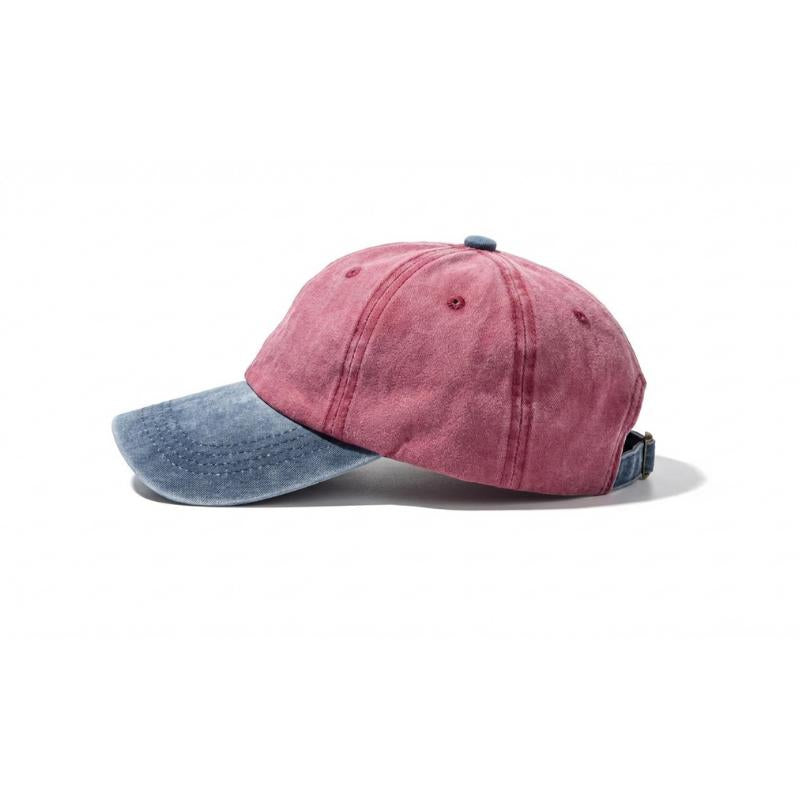
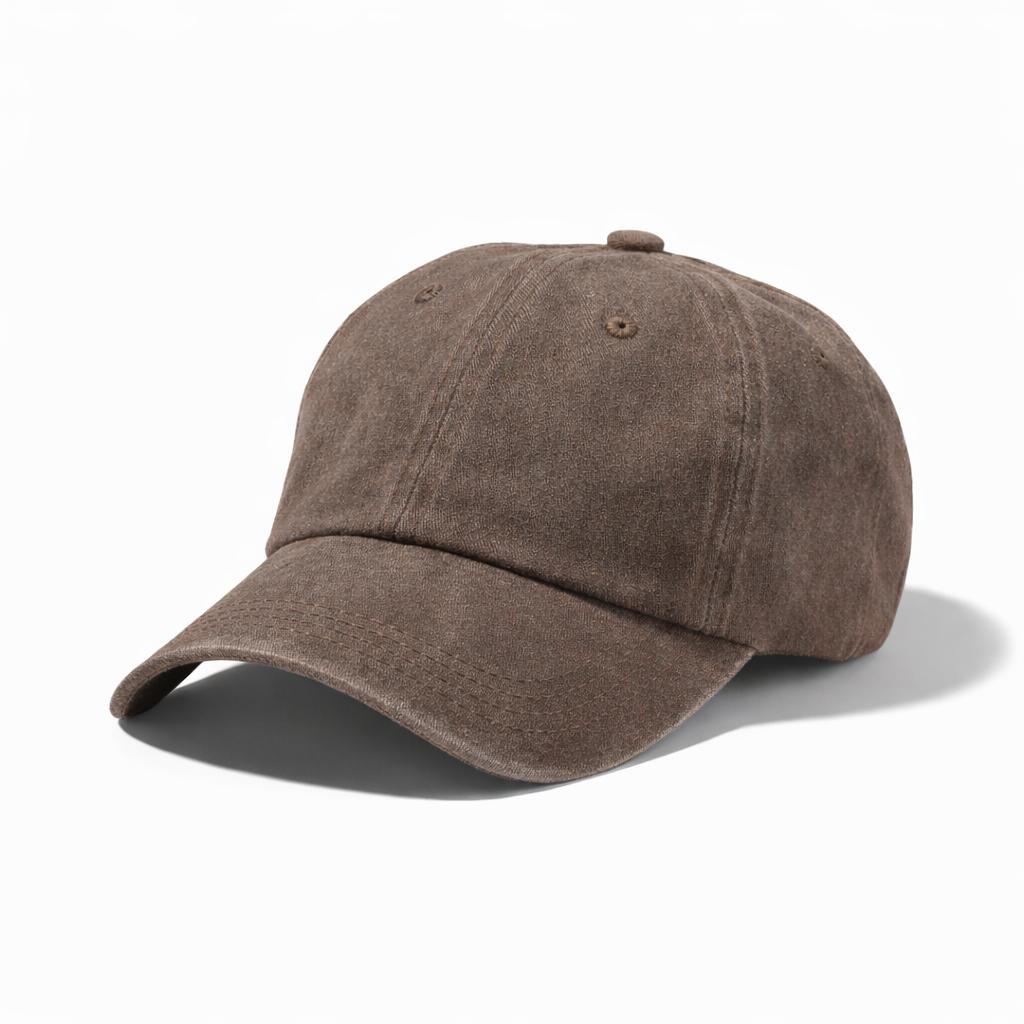
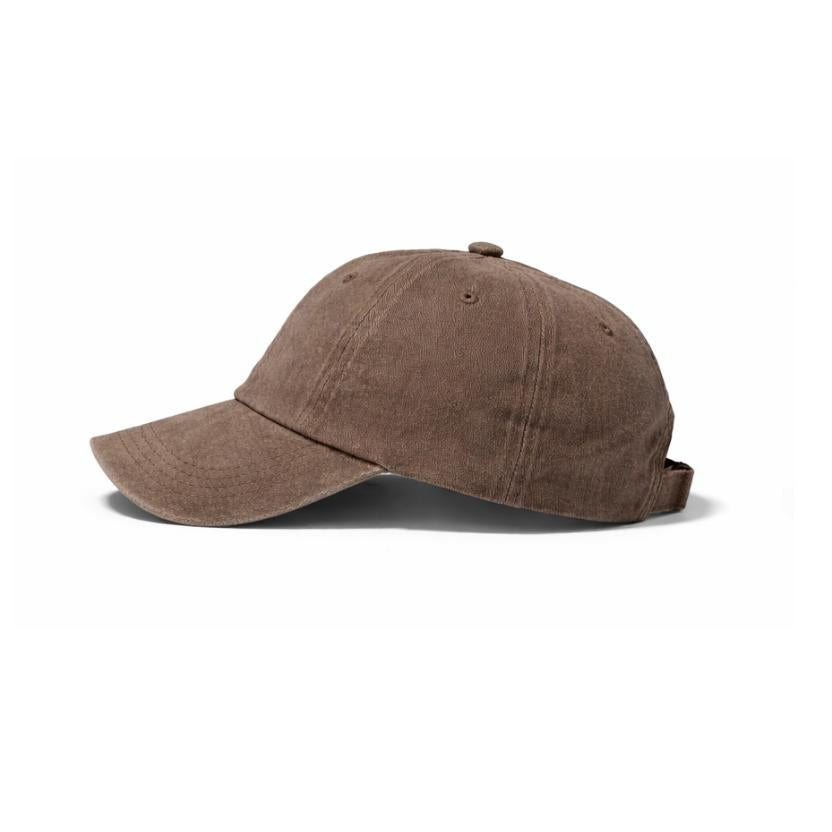
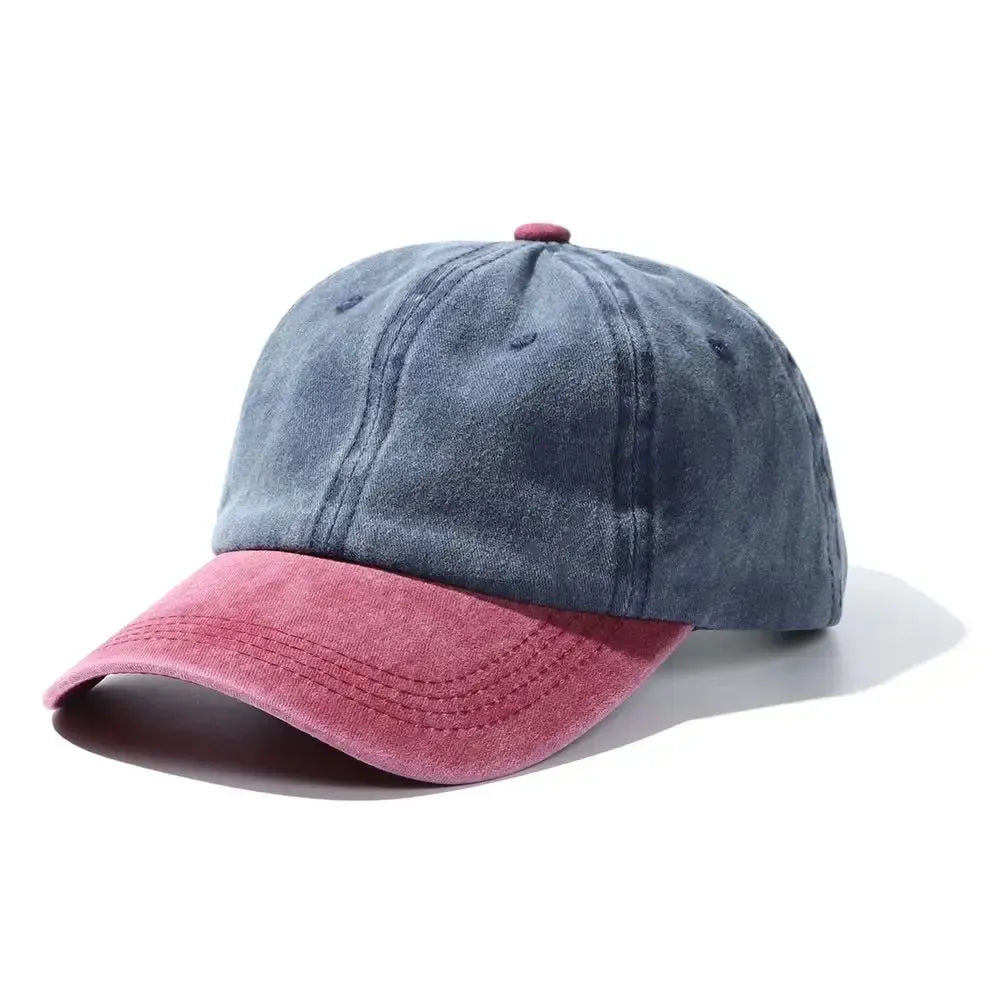
Most baseball caps are built from six fabric panels that meet at the top of the crown.
The five-panel takes a different approach.
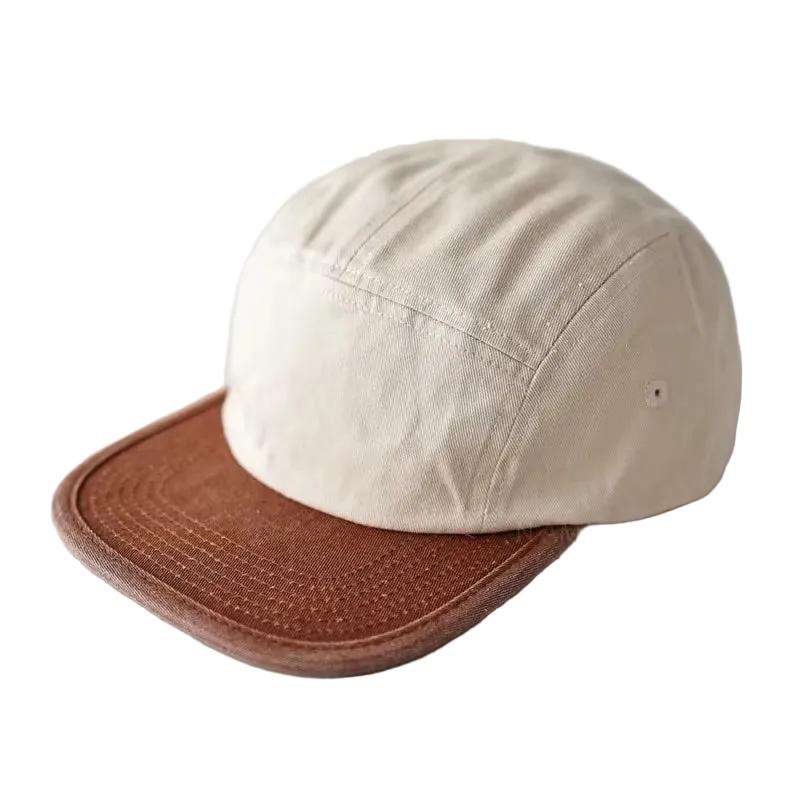
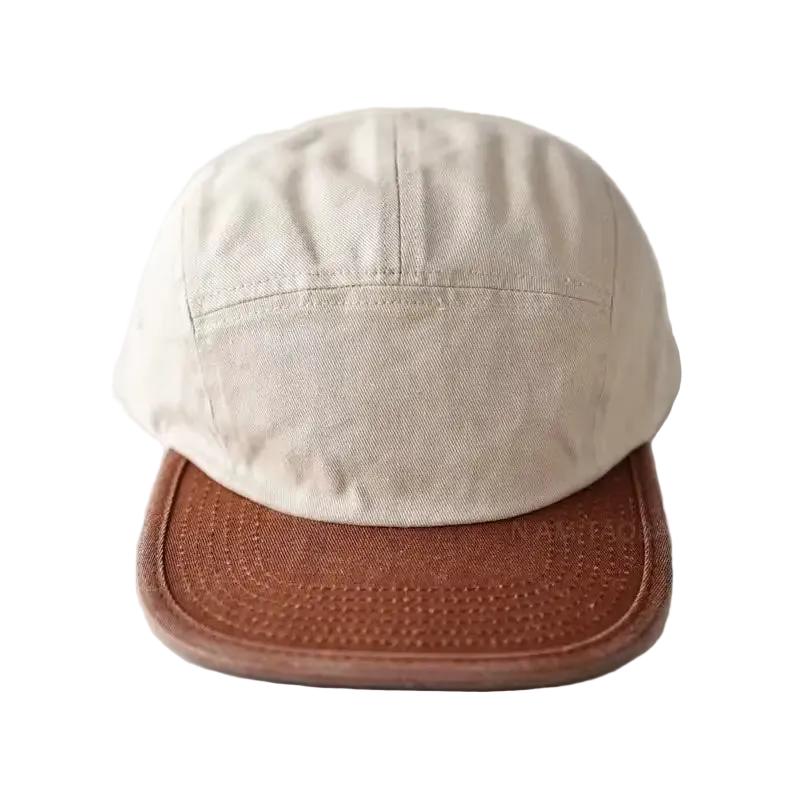
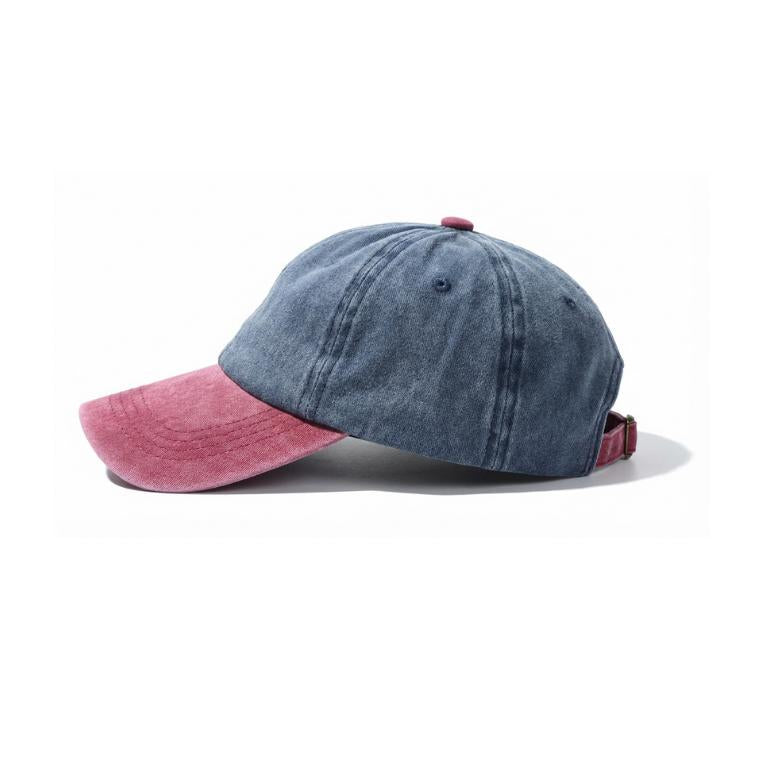
Its construction combines a single uninterrupted front panel with four surrounding panels, creating a lower-profile silhouette and a cleaner front shape.
The result feels lighter, softer, and less structured.
That uninterrupted front panel would eventually become ideal for embroidery, woven patches, and minimalist branding.
But when the design first appeared, decoration wasn't the goal.
Performance was.
The five-panel would eventually become one of the most versatile silhouettes in modern headwear. Today, our GRACE Five-Panel Collection follows the same philosophy of clean lines, understated proportions, and everyday comfort.
Built for the Outdoors
The earliest five-panel "camp caps" became increasingly common during the 1970s and early 1980s as outdoor recreation grew in popularity.
Hikers.
Campers.
Climbers.
Cyclists.
They all valued equipment that was lightweight, breathable, and easy to carry.
Unlike heavily structured caps, these soft crowns could often be folded into a backpack and quickly regain their shape.
They weren't designed for fashion.
They were designed for movement.
And that practicality became their defining characteristic.
When Function Met Culture
During the 1990s, the five-panel found a new audience.
Skateboarding.
Independent creative brands.
Emerging streetwear labels.
The cap's relaxed fit and understated proportions suited a generation that valued individuality over formality.
Its clean front panel became a perfect canvas for embroidered logos and simple graphics.
Without changing its construction, the five-panel found a completely new identity.
Outdoor gear quietly became part of contemporary culture.
While the five-panel evolved differently, it shares many of its principles with the timeless silhouettes found in GRACE Classics.
A Modern Classic
As streetwear continued to evolve throughout the 2000s, the five-panel remained surprisingly consistent.
Designers appreciated its balanced proportions.
Photographers packed it for travel.
Cyclists valued its comfort beneath helmets.
Outdoor enthusiasts never stopped wearing it.
Few products manage to move between so many different worlds without losing their identity.
The five-panel did exactly that.
Its appeal never depended on a particular trend.
It depended on thoughtful design.
The history of the five-panel also makes more sense when viewed alongside the origins of the baseball cap itself, explored in Journal #001 — The Story of the First Baseball Cap.
More Than a Different Shape
At first glance, the five-panel simply looks different from a traditional baseball cap.
In reality, its greatest strength lies elsewhere.
Its lower profile.
Its lightweight construction.
Its packability.
Its understated character.
These are qualities that continue to feel relevant regardless of changing fashion cycles.
Good design rarely needs dramatic reinvention.
It simply continues solving the same problem exceptionally well.
Why We Appreciate It
At GRACE, we admire products that become timeless through usefulness rather than novelty.
The five-panel reflects many of the principles we value in everyday headwear.
Clean proportions.
Purposeful construction.
Quiet confidence.
It's not designed to dominate an outfit.
It's designed to belong within it.
Explore the GRACE Five-Panel Collection, discover the timeless simplicity of GRACE Classics, or revisit Journal #001 — The Story of the First Baseball Cap to explore where modern cap history began.
The best designs rarely begin as fashion.
They begin as solutions.
Only later do they become icons.
The five-panel cap is one of those rare examples.
Simple.
Functional.
Timeless.
By The GRACE Editorial Team
Published July 24, 2026


Leave a comment
This site is protected by hCaptcha and the hCaptcha Privacy Policy and Terms of Service apply.