

Why Do Baseball Caps Have a Button on Top? | GRACE Journal #006
Category: Education
Reading Time: 4 minutes
____________________________
Why Do Baseball Caps Have a Button on Top?
Look at almost any classic baseball cap.
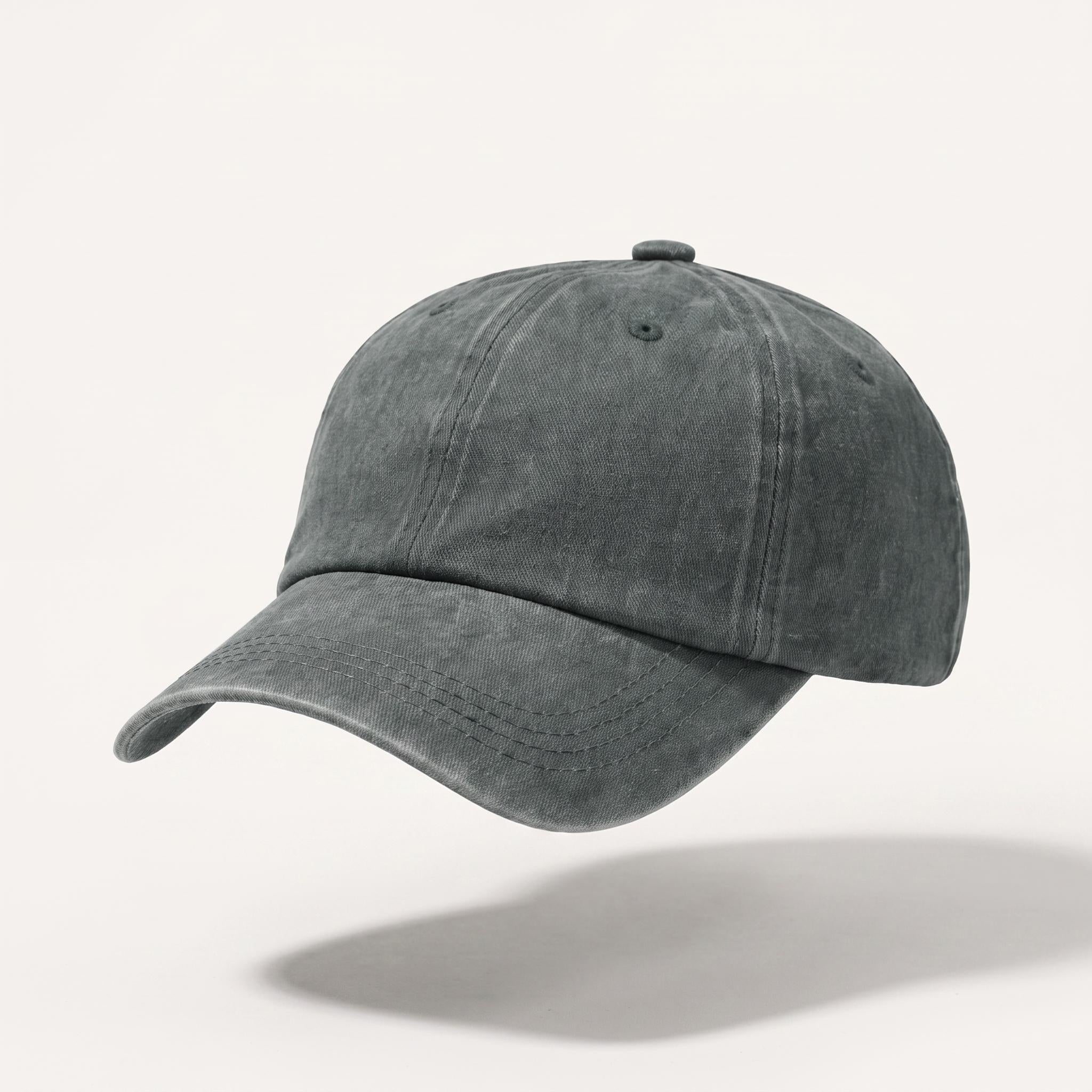
Right where the crown panels meet, you'll find a tiny fabric-covered button.
Most people never think about it.
Yet that small detail has been part of cap construction for well over a century.
It doesn't protect you from the sun.
It doesn't make the cap more comfortable.
So why is it there?
Like many enduring design details, the answer begins with construction.
Where the Panels Meet
A traditional baseball cap is typically constructed from six fabric panels.
As those panels come together, their seams converge at the highest point of the crown.
Early cap makers covered that intersection with a small fabric-covered button, creating a cleaner, more finished appearance while helping conceal the meeting point of several seams.
It was a practical solution.
Over time, it became part of the familiar silhouette people associate with the classic baseball cap.
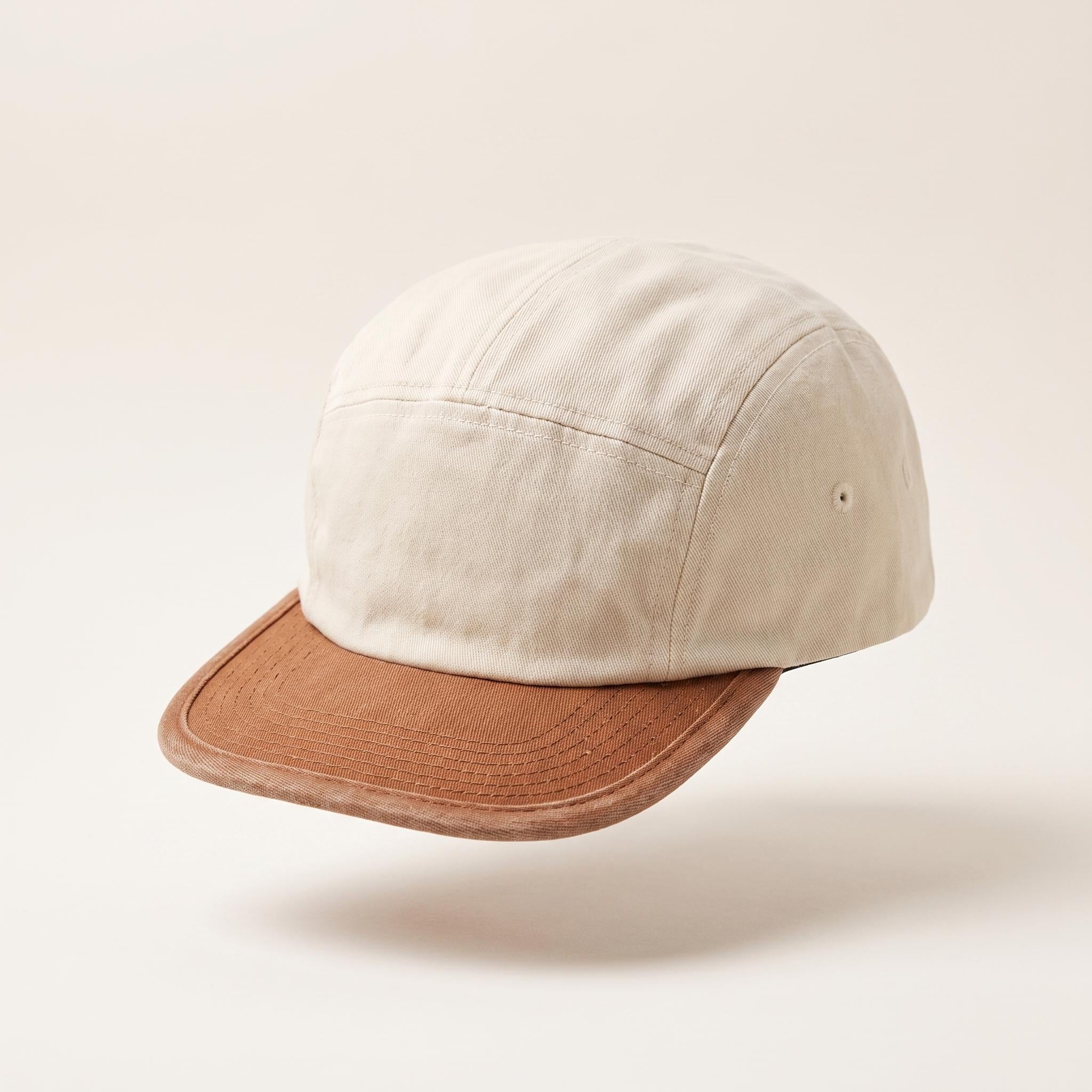
If you'd like to see how these construction details influence different silhouettes, compare the GRACE Classics with the GRACE Five-Panel Collection. The differences begin with the panels themselves.
Does a Cap Still Need One?
Technically, no.
Modern manufacturing techniques allow caps to be produced without a top button while maintaining excellent structural integrity.
That's why many contemporary designs—including performance caps, minimalist styles, and numerous five-panel models—omit it entirely.
Removing the button changes surprisingly little from a technical standpoint.
Visually, however, the difference is immediate.
The crown appears cleaner.
Lower.
More contemporary.
Sometimes removing a detail has just as much impact as adding one.
The Curious Name
Within the headwear industry, the top button is often referred to as a "squatchee."
The exact origin of the word remains uncertain, and the term has become closely associated with New Era, which popularized its use within the cap industry.
Whether people know the name or not, almost everyone recognizes the detail.
It's one of those design elements that becomes invisible precisely because it has always been there.
Until someone points it out.
Small Details Shape Great Design
At first glance, a baseball cap seems remarkably simple.
Look a little closer and another story begins to emerge.
The number of panels.
The height of the crown.
The curve of the brim.
The stitching.
The sweatband.
The closure.
Even a button only a few millimeters wide.
Each decision changes the personality of the finished product.
Much like the story behind the first baseball cap, explored in Journal #001, these seemingly minor construction choices are often what distinguish timeless designs from ordinary ones.
More Than Decoration
At GRACE, we believe good design is rarely accidental.
Every stitch.
Every proportion.
Every material.
Every construction choice should have a purpose.
Sometimes the best decision is adding a detail.
Sometimes it's removing one.
Understanding why something exists is often the first step toward improving it.
That philosophy guides every cap we create, from GRACE Classics to the modern simplicity of the GRACE Five-Panel Collection.
The smallest details are often the easiest to overlook.
They're also the ones that quietly define great design.
Continue Exploring
- The GRACE Collection
- GRACE Classics
- GRACE Five-Panel Collection
- Journal #001 — The Story of the First Baseball Cap
- Journal #005 — The History of the Five-Panel Cap
Sources & Further Reading
- New Era Cap (history and cap construction terminology)
- The GRACE Collection
- GRACE Classics
- GRACE Five-Panel Collection










Leave a comment
This site is protected by hCaptcha and the hCaptcha Privacy Policy and Terms of Service apply.