

Why Some Things Become Essentials | GRACE Journal #005
Category: Culture & Design
Reading Time: 4 minutes
____________________________
Why Some Things Become Essentials
Some things are bought because they look good.
Others become part of your life.
There is a difference.
A piece of clothing can catch your attention for a season and disappear from your wardrobe a year later.
But every once in a while, you find something you keep reaching for.
A favorite shirt.
A pair of shoes.
A jacket that somehow works with everything.
Or a cap that becomes the one you take everywhere.
The most enduring everyday objects rarely demand attention.
They simply make life a little easier.
A little more comfortable.
A little more yours.
And eventually, you stop thinking about whether to wear them.
You just do.
More Than Appearance
The things we use every day are rarely defined by appearance alone.
They have to work.
They have to feel right.
They have to fit naturally into the way we live.
A chair needs to be comfortable.
A watch needs to sit naturally on the wrist.
A pair of shoes needs to carry you through the day.
And a cap needs to feel right the moment you put it on.
That is why the best everyday pieces are often the simplest.
Their value isn't always obvious from across the room.
You notice it when you live with them.
The way something feels.
The way it fits.
The way it moves with you.
The small details you only appreciate after wearing it again and again.
Designed to Be Worn
A well-designed cap should never feel like something you have to adjust to.
It should adapt to you.
The proportions matter.
The structure matters.
The weight matters.
The softness of the fabric matters.
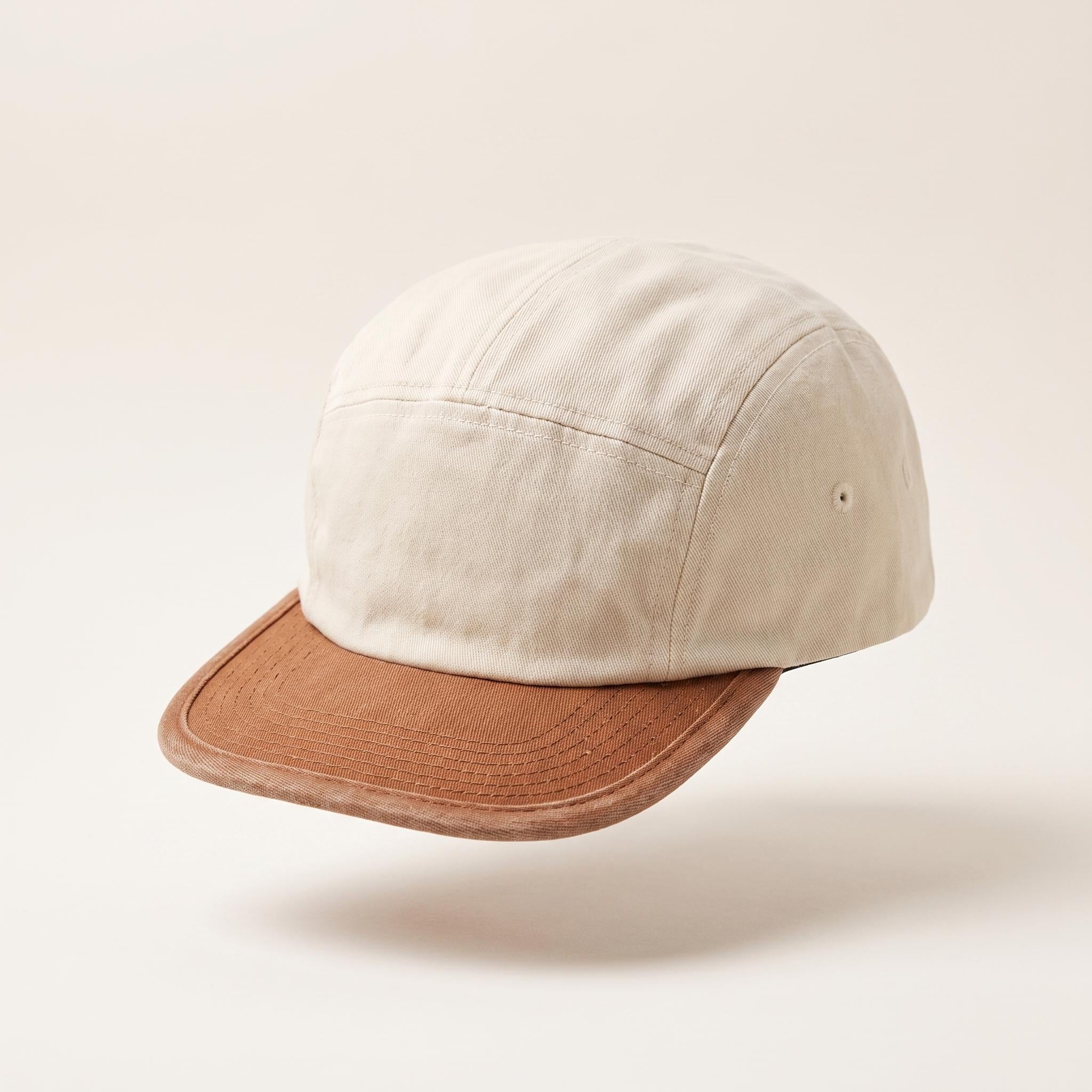
Even the way the brim sits can change how the entire piece feels.
These details may seem small.
But everyday objects are made of small details.
The difference between something you occasionally wear and something you reach for without thinking is often found in precisely those details.
Comfort doesn't announce itself.
You simply notice when it's missing.
When Design Becomes Personal
There is another reason certain pieces stay with us.
They become part of our identity.
Color plays a role.
Shape plays a role.
Texture plays a role.
But ultimately, it is the way a piece fits into your wardrobe that makes it personal.
A muted cap can disappear beautifully into a linen summer outfit.
A deeper tone can add structure to something simple.
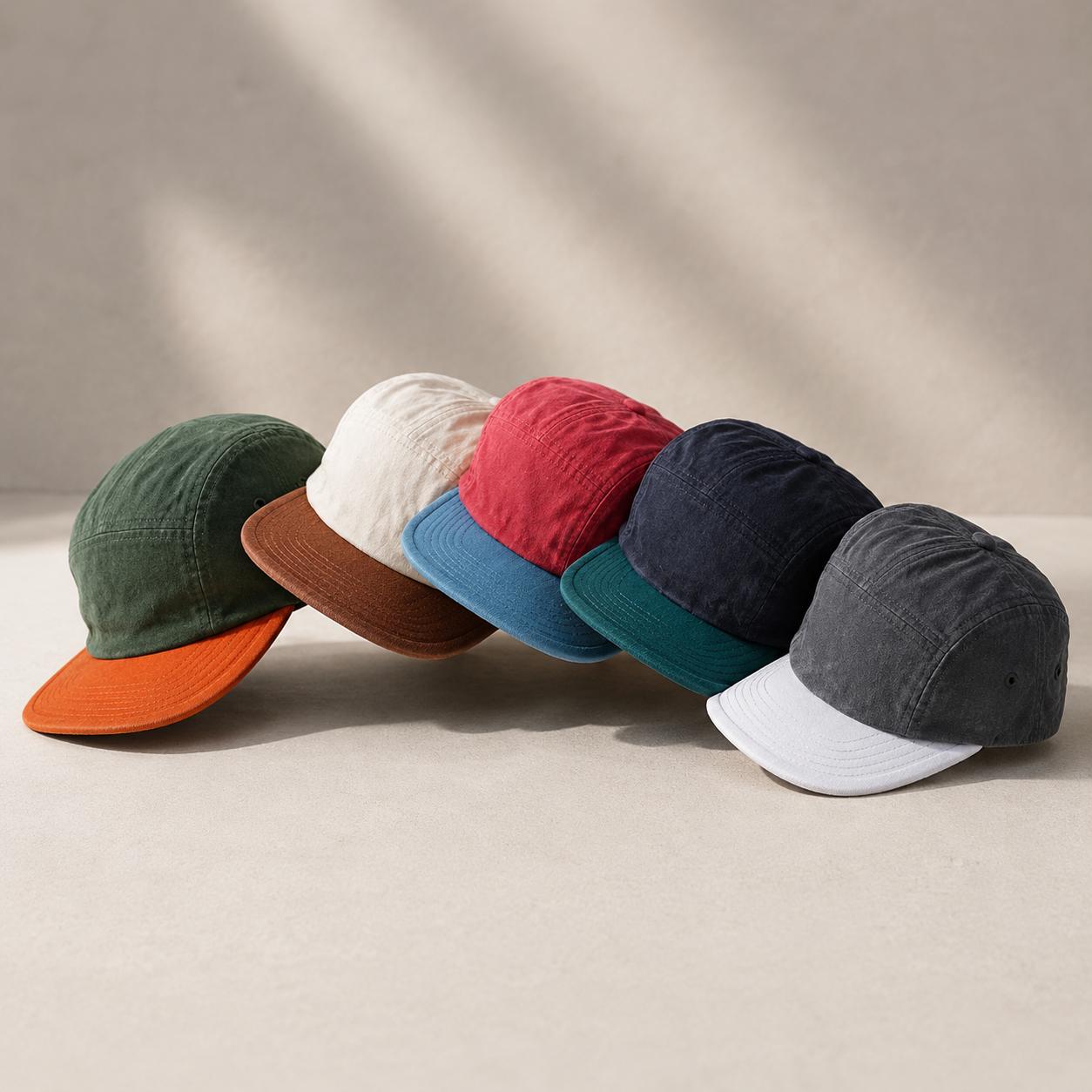
A distinctive color can become the detail that changes an entire look.
The same object can feel completely different depending on who wears it.
That is the beauty of thoughtful design.
It gives you room to make it your own.
The Difference Is in the Details
At GRACE, we believe a cap should be more than something you put on your head.
It should be something you genuinely enjoy wearing.
That starts with comfort.
Softness.
Balanced proportions.
Thoughtful construction.
But it also extends to the details that give each piece its character.
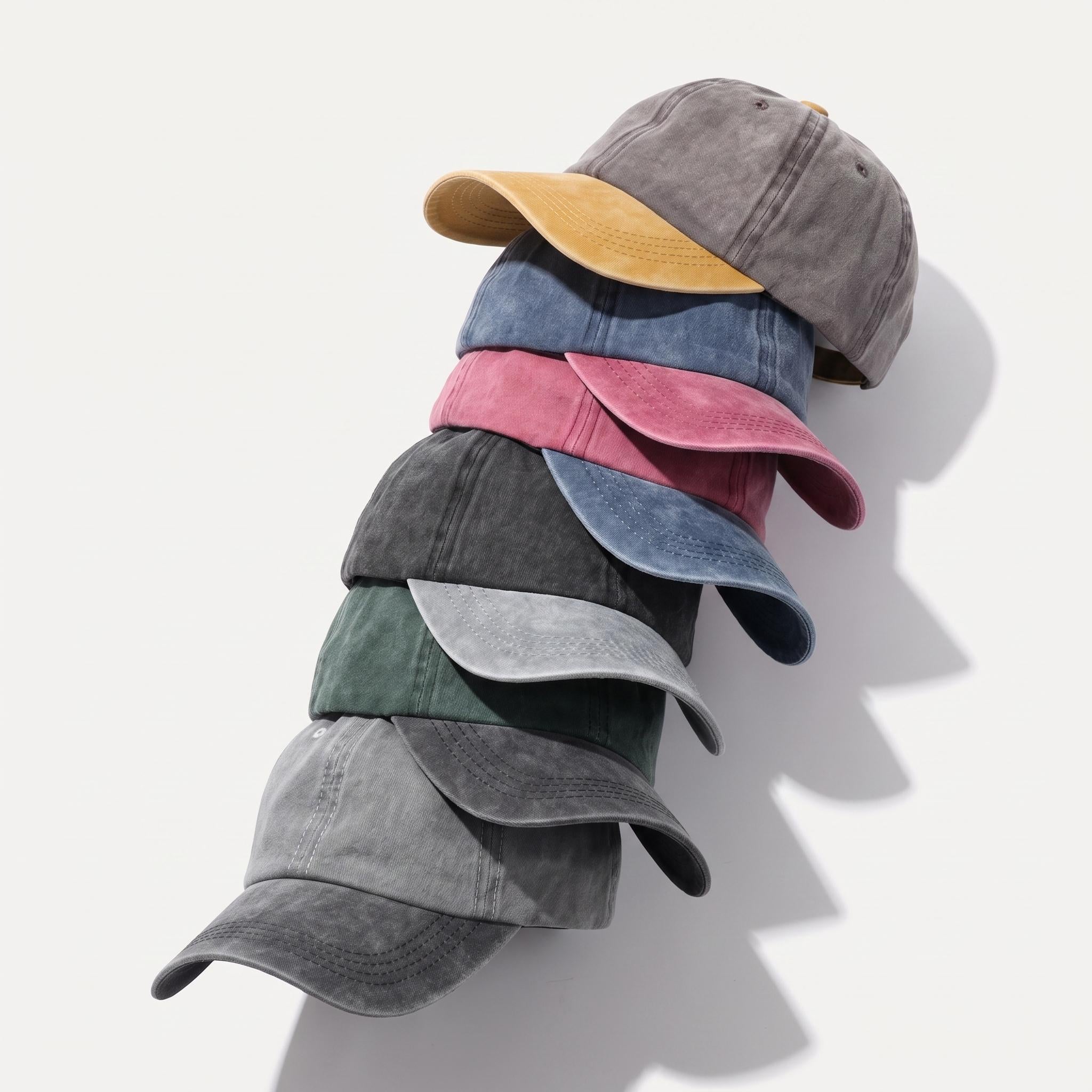
Colors chosen carefully rather than simply following what is trending.
Materials selected for how they feel as much as how they look.
A silhouette designed to work naturally with everyday clothing.
Nothing excessive.
Nothing that needs to shout.
Just enough distinction to make the piece feel considered.
Made for More Than One Moment
The most useful pieces in a wardrobe don't belong to one occasion.
They travel.
A cap can start the morning with a coffee in the city.
Continue through a day outside.
Go into a weekend trip.
Find its way into a suitcase.
And still work when you're heading somewhere a little more dressed up.
That versatility is what makes an everyday piece valuable.
Not because it can be worn everywhere in theory.
But because you actually want to wear it everywhere.
With denim.
With linen.
With tailoring.
With a simple T-shirt.
With a summer dress.
The best pieces don't limit the possibilities.
They create them.
Explore the GRACE Collection, discover the understated GRACE Classic, or learn how the modern baseball cap first emerged in Journal #001 — The Story of the First Baseball Cap.
For generations, men rarely left home without a hat.
Today, the choice is entirely personal.
But the appeal of thoughtfully designed headwear has never truly disappeared.
It has simply found a new form.










Leave a comment
This site is protected by hCaptcha and the hCaptcha Privacy Policy and Terms of Service apply.